




The Essential Wheel Fitment Guide: Offset, Bolt Pattern & Backspacing

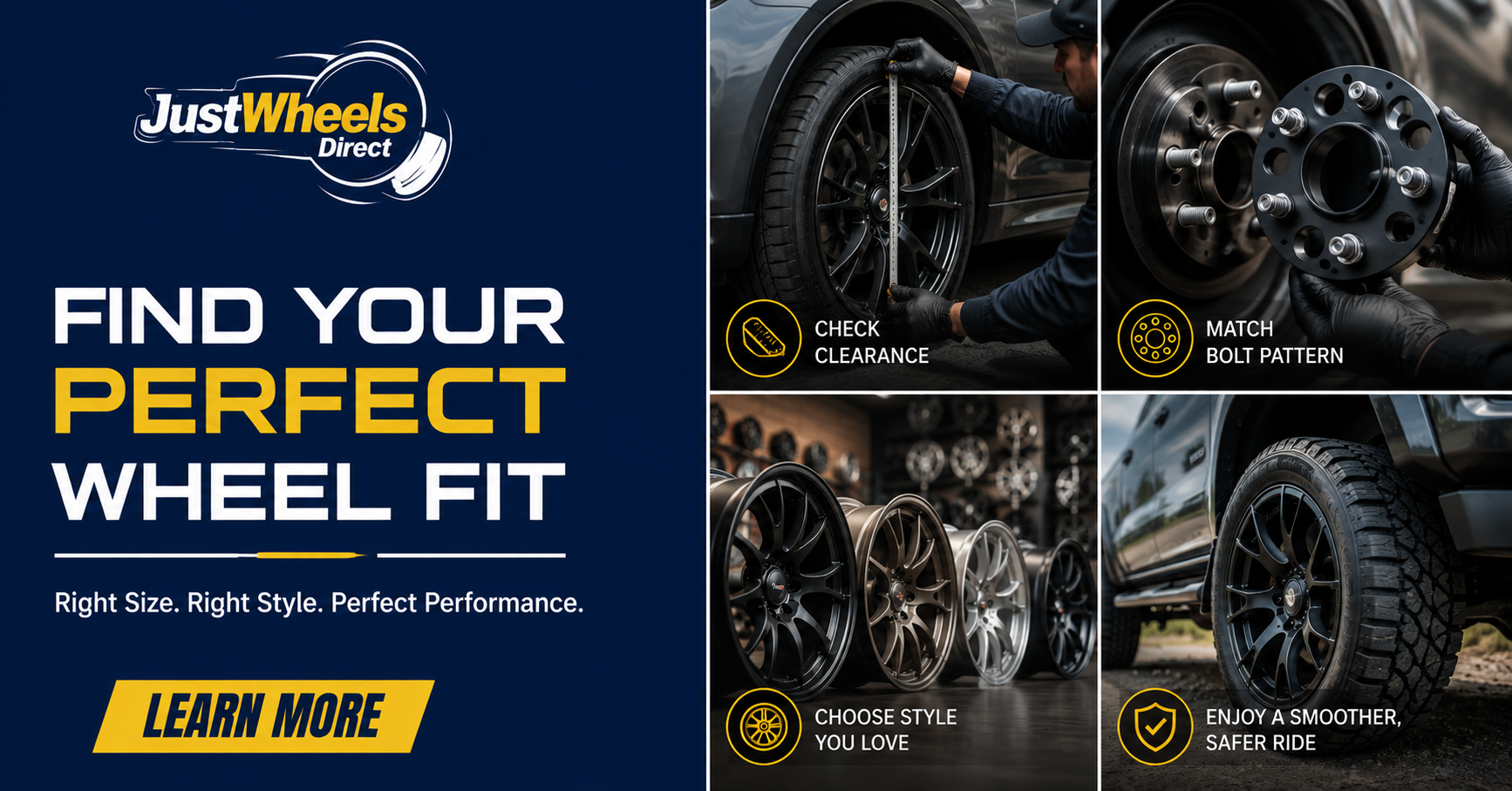
Have you ever bought new rims online only to find they rub your brakes? That expensive mistake happens more often than most drivers expect. A proper wheel fitment guide helps you avoid wasted money and jack stand headaches. Wrong offset or bolt patterns can damage your suspension parts fast. Most people skip these numbers because they seem too technical to understand. You do not need a mechanic’s degree to get this right, though. This guide walks you through offset, backspacing and bolt pattern basics step by step. You will also learn simple ways to measure your setup before placing an order.
Table of Contents
ToggleCommon Fitting Errors Drivers Make With New Rims
Selecting incorrect measurements ruins your ride quality and damages expensive body panels fast. Here are five big mistakes drivers make when upgrading their wheels.
- Wrong Bolt Patterns: Buying rims without checking lug placement means the wheel simply will not bolt onto your car hub.
- Incorrect Hub Bore Size: Skipping center rings causes nasty steering wheel shakes because the rim sits unevenly on the axle.
- Ignoring Suspension Clearance: Wide rims often hit inner struts or control arms when you turn your steering wheel hard.
- Excessive positive or negative offset: Miscalculated mounting surfaces force tires to stick out or hide too far inside fenders.
- Wrong Tire Profile: Mounting thick tires on wider rims causes rubber to rub inner fender liners over bumpy roads.
Understanding Offset and Backspacing for Your Car
Mounting depth determines how far your wheel sits inside or outside the vehicle body. Getting these numbers right keeps your tires from scraping metal.
Positive Offset Basics
Positive offset means the mounting surface sits toward the front face of the wheel. Most modern front wheel drive cars use this setup to keep tires inside fenders. It protects your car body from road debris and rocks.
Negative Offset Basics
Negative offset pushes the mounting face toward the back side of the rim. This makes the wheel stick out wide past your vehicle body panels. Deep dish rims and lifted truck builds use this aggressive style often.
Backspacing Calculations
Backspacing measures the space from the mounting face to the back edge of the rim. Higher numbers mean the rim sits closer to your inner suspension parts. Knowing this backspacing vs offset detail stops inner frame rubbing.
Key Tools and Steps to Measure Your Setup
Finding exact vehicle numbers prevents fitting surprises when installation day comes. Use simple garage tools to check your setup before ordering online.
- Using a wheel fitment calculator: Enter your stock rim size and new specs online to see exact distance changes quickly.
- Measuring Lug Distance: Use a simple tape measure or ruler to measure bolt pattern spaces across center points.
- Checking Frame Clearance: Slide your hands behind current tires to feel how much room sits near struts.
- Verifying Center Bore Size: Measure the center hole diameter to see if you need custom hub rings.
- Testing Wheel Spacers: Slide temporary metal shims onto studs to test outer fender clearance before buying new rims.
Crucial Mounting Rules Every Driver Should Know
Proper mounting keeps your wheels attached safely while driving at high speeds. Never skip basic checks when installing fresh hardware.
Bolt Pattern Matching
Your wheel must match your hub lug pattern exactly to tighten down safely. Common car patterns include four, five, or six lug setups. Check your owner manual or use a PCD wheel guide to find your vehicle specs.
Center Ring Alignment
Rims must rest flush against the axle center hub to prevent vibrations. If the center hole is larger than your hub, install durable hub centric rings. These plastic or metal rings fill space and center the wheel cleanly.
Brake Caliper Room
Big brake kits require extra space behind the wheel spokes to spin freely. Shallow spoke designs hit metal calipers and stop wheels from turning. Always verify spoke clearance before bolting down fresh aluminum rims.
Comparing Flush and Tucked Fitment Styles
Choosing between flush or tucked style changes your car look completely. A tucked fitment keeps rims tucked safely inside fender wells for standard factory driving. Flush fitment moves the tire outer edge right along the metal fender line for a wider stance. Getting flush fitment requires precise offset calculations so tires clear inner metal lips when hitting bumps. Following a proper wheel fitment guide ensures your tires look great without scraping paint off your arches. Read through every section of your favorite wheel fitment guide carefully before placing your order.
How Just Wheels Direct Can Help You Get Perfect Fitment
Just Wheels Direct makes finding new wheels easy and stress free for your vehicle. Founded in 2009 after a decade of retail experience, their team knows exact vehicle specs. They offer a massive online store featuring an up to date vehicle database for accurate shopping. Their smart site system checks original equipment sizes and suggests top fitting options fast. You get quality products directly from top brand makers at great low prices. Their trained specialists provide friendly advice and process shipping from nearby locations to save time. Give their team a call or visit Just Wheels Direct online to find your perfect set today.
Summary of Safe Wheel Mounting
Getting perfect wheel measurements requires checking offset, backspacing, and bolt spacing before buying. Avoid cheap guess work by measuring your original factory rims first. Proper fitting parts keep your ride smooth and protect suspension components from early damage. Use online tools and simple garage checks to double check all clearances. Visit Just Wheels Direct online to browse accurate wheel packages built for your exact vehicle.
Frequently Asked Questions
What is the most important part of a wheel fitment guide?
Understanding offset, bolt patterns, and backspacing forms the most important part of a wheel fitment guide. Checking these three specs stops tires from hitting brakes, frame rails, or outer fenders.
How do I know my car bolt pattern size?
Count the total lug holes on your hub, then measure distance across opposite hole centers. You can also check your car manual or look up specs using your exact model year.
What happens if the wheel offset is wrong?
Incorrect offset causes tires to rub against inner suspension parts or scrape outer metal fenders. Bad offset also puts extra stress on wheel bearings, causing early part failure.
Do I really need hub centric rings?
Yes, hub centric rings fill the empty gap between your car hub and aftermarket rim hole. They align the wheel centered on the axle, stopping bad steering wheel shakes while driving.
What is the difference between backspacing and offset?
Offset measures distance from rim centerline to mounting face in millimeters. Backspacing measures total distance from back edge to mounting face in inches. Both determine the inner suspension room.